The Main Vienna Museums Compared: Which Suits Which Interest?
Journal – 7 min read
Choose the Kunsthistorisches Museum for Old Masters, Upper Belvedere for Klimt, and the Leopold Museum for Schiele and Vienna around 1900. For modern painting try the Albertina, for experimental art mumok, for design the MAK, and for the city’s own story the Wien Museum.
Text: Elisabeth Hofer · · Updated
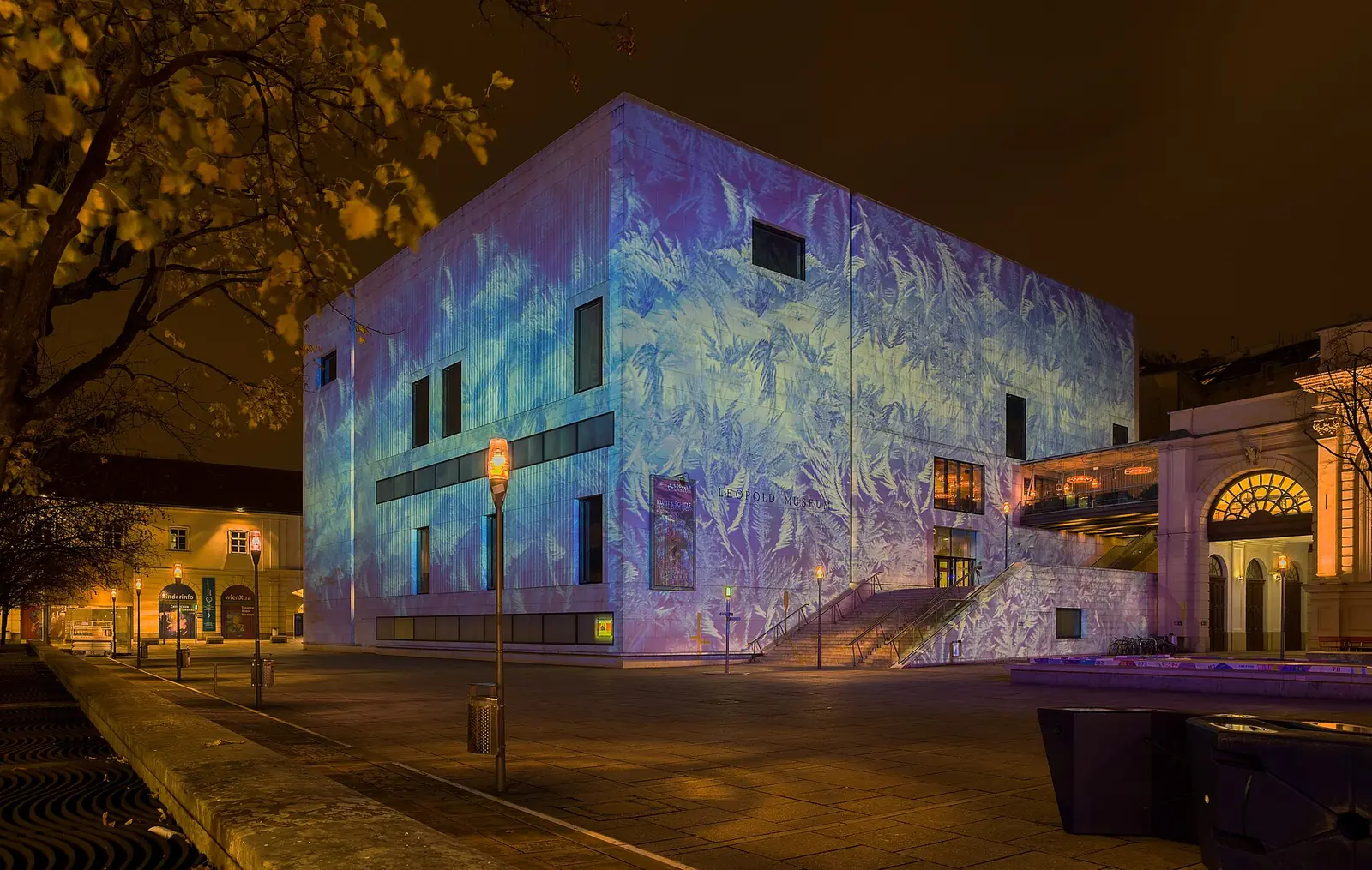
Which Vienna museum matches your interests?
With one free afternoon, it is easy to worry about choosing the “wrong” museum. Start with what would make you stop in front of a work: a familiar painting, an expressive face, an ingenious chair or a story about the street outside. The comparison below gives you a useful first choice without turning the visit into a checklist.
| Your main interest | Start here | Practical distinction |
|---|---|---|
| Old Masters and imperial collections | Kunsthistorisches Museum | Choose a collection before entering |
| Klimt’s The Kiss | Upper Belvedere | Book the correct palace and time slot |
| Schiele and Vienna around 1900 | Leopold Museum | In the MuseumsQuartier |
| Impressionism and modern painting | Albertina | Main museum differs from Albertina Modern |
| Modern and contemporary experiments | mumok | Choose by the current exhibitions |
| Furniture, craft and design | MAK | Connect objects with everyday life |
| Vienna’s history | Wien Museum | Permanent exhibition is free |
For classical art and imperial splendour: Kunsthistorisches Museum
The KHM on Maria-Theresien-Platz is a strong first choice if you love paintings with stories hidden in their details. Its Bruegel collection comprises 12 paintings, including The Tower of Babel and Hunters in the Snow. Looking from the broad landscape to its tiny figures can keep adults and curious children occupied together.
Allow two to three hours as a suggested starting point, concentrating on the Picture Gallery or the Kunstkammer rather than expecting to absorb everything. The Kunsthistorisches Museum overview offers background; use the museum’s own visitor information for current displays. The grand staircase deserves a pause, but leave energy for the art you came to see.
Belvedere, Leopold or Albertina?
Upper Belvedere: Klimt in a palace setting
If seeing The Kiss is the wish you brought to Vienna, choose Upper Belvedere. The collection places Klimt within a much longer history of art, so leave time for neighbouring rooms after the famous painting. A photograph of one work need not become the whole visit.
Upper Belvedere, Lower Belvedere and Belvedere 21 are distinct venues. Check the official ticket and visiting information: standard visits to the Upper and Lower Belvedere require time slots. A ticket for the wrong building is an avoidable disappointment. Give the palace and collection a relaxed two-hour place in your plan, with extra time if you want to linger.
Leopold Museum: Schiele and Vienna Modernism
The Leopold is especially rewarding if faces, bodies and the unsettled atmosphere of Vienna around 1900 interest you. The museum holds 44 Schiele paintings and more than 200 works on paper; this describes its holdings, not a promise that every work is displayed at once.
Its Vienna 1900 collection also connects painting with design and the Wiener Werkstätte. Choose it over Belvedere when you want that wider cultural conversation, particularly Schiele, rather than making Klimt’s most famous painting the centre of your day.
Albertina: a route through modern painting
The Albertina’s Batliner Collection presentation moves through Impressionism, Expressionism and other strands of modern painting. It suits visitors who enjoy comparing colour, brushwork and changing ways of seeing. The main Albertina at Albertinaplatz 1 and Albertina Modern at Karlsplatz 5 are different exhibition venues; verify the location printed beside the show you want.
For a gentler thread through several rooms, follow one subject: flowers, landscapes or portraits. Our article on flowers in Vienna’s art history suggests ways to notice how a familiar motif changes between artists.
For contemporary art, experimentation and debate: mumok
In the MuseumsQuartier, mumok offers a different conversation from the nearby Leopold. Its Ludwig Collection includes Pop Art, Fluxus and conceptual art, with works by artists such as Andy Warhol and Claes Oldenburg. Check the current exhibitions before booking: collection ownership does not mean a particular work is on view.
You do not need an art-history degree to enjoy it. Pick one room, notice what its materials remind you of, then read the introductory text. Films and installations can require time; a hurried circuit may miss the experience the artist has built.
For design, applied art and beautiful things with a purpose: MAK
Choose the MAK if the shape of a chair or the pattern on a textile can catch your attention as firmly as a painting. Its reinstalled Vienna 1900 collection, opened in February 2026, explores the period through ideas and design. The museum also holds the Wiener Werkstätte archive.
Ask an everyday question while looking: who used this object, how was it made, and what would it change about a room? This makes design approachable even without knowing the names. Pair the visit with our Art Nouveau walk through Vienna to compare museum objects with buildings outside.
For city history and Vienna’s identity: Wien Museum
At Karlsplatz 8, the Wien Museum is a welcoming starting point for understanding the city around you. The permanent exhibition is free and extends over three floors. Special exhibitions have separate admission arrangements, so distinguish them when planning.
Choose a historical period or follow everyday objects rather than trying to read every label. The rewarding moment comes afterwards, when a street, building or political reference makes more sense. For other affordable stops, see our guide to free art in Vienna.
For technology, sound and specialist interests: underrated alternatives
Family choice works best when it begins with the child’s interests. Consider the Natural History Museum for nature, the Technisches Museum for technology, or the House of Music for sound experiments and its Virtual Conductor. The latter is at Seilerstätte 30, a separate destination from the art museums.
Check age suitability and any activity reservations before promising a particular experience. One museum with a comfortable break is often enough for younger children. For deeper background on artworks, the University of Vienna’s Institute of Art History offers a route into current research.
How to plan museum visits in Vienna wisely
For a weekend, choose two main museums and keep a third optional. KHM and the MuseumsQuartier are convenient neighbours; Upper Belvedere needs its own place in the itinerary. Check opening days, room closures, timed entry and accessible routes directly with each venue before buying.
My planning tip: choose three works or rooms you especially want to see, then leave the rest open. You will have a satisfying visit even if tired feet or a crowded gallery change the afternoon. The suggested times here are planning allowances, not limits on how long you should look.
ICOM’s museum definition places research, interpretation and public learning alongside collecting. Give yourself room for that curiosity: the most memorable object may be one you had never heard of before arriving.
Good to know
Which Vienna museum should you absolutely not miss on a first visit?
If you can visit only one museum, the Kunsthistorisches Museum is the classic choice: it combines world-class collections with imperial architecture. But if you want to understand Vienna as a city, the Wien Museum is at least as worthwhile, because it gives you historical bearings.
Belvedere or Leopold Museum: Which is better for Klimt?
For Klimt’s best-known major works, the Belvedere is the first stop. The Leopold Museum is stronger if you want a broader view of Vienna Modernism, especially through Schiele, Kokoschka, Gerstl, design, and the atmosphere around 1900.
Which museum is best for families?
The Natural History Museum and the Technical Museum are usually the best options for families, because they combine curiosity, visual learning and movement so well. The House of Music can also work, especially for children and teenagers interested in sound and interactive stations.
How many museums should you plan for in a weekend?
Two to three museums is a good range if you really want to enjoy them. It’s best to combine one large museum with a more specific one: for example the Kunsthistorisches Museum and the MAK, the Belvedere and the Leopold Museum, or the Wien Museum and the Natural History Museum.
More notes
Journal – 5 min read
Discover Art Nouveau in Vienna: a walk from Otto Wagner to the Secession
From the Postsparkasse to the Wienzeilen houses and the Secession: a walk to Vienna’s most important Art Nouveau buildings, with tips on what to…
Journal – 5 min read
Experience free art in Vienna: galleries, open-air works and museum days
A lot of art in Vienna costs nothing: galleries, public art, free museum days. Where to find it and when the trip is worth it.
Journal – 5 min read
Culture in winter: the best concerts, exhibitions and theatre evenings in Vienna
Winter is peak season in Vienna’s cultural calendar. Concerts, exhibitions and theatre, plus tips on tickets, standing room and last-minute returns.