Flowers in European Art: Vienna to Warsaw
Journal – 8-minute read
Flowers in European art can signify devotion, wealth or transience, but they also let painters experiment with colour, surface and space. Compare specific works in Vienna, Amsterdam, Paris, Florence and Warsaw rather than assuming that a rose or lily has one meaning everywhere.
By Elisabeth Hofer · · Updated
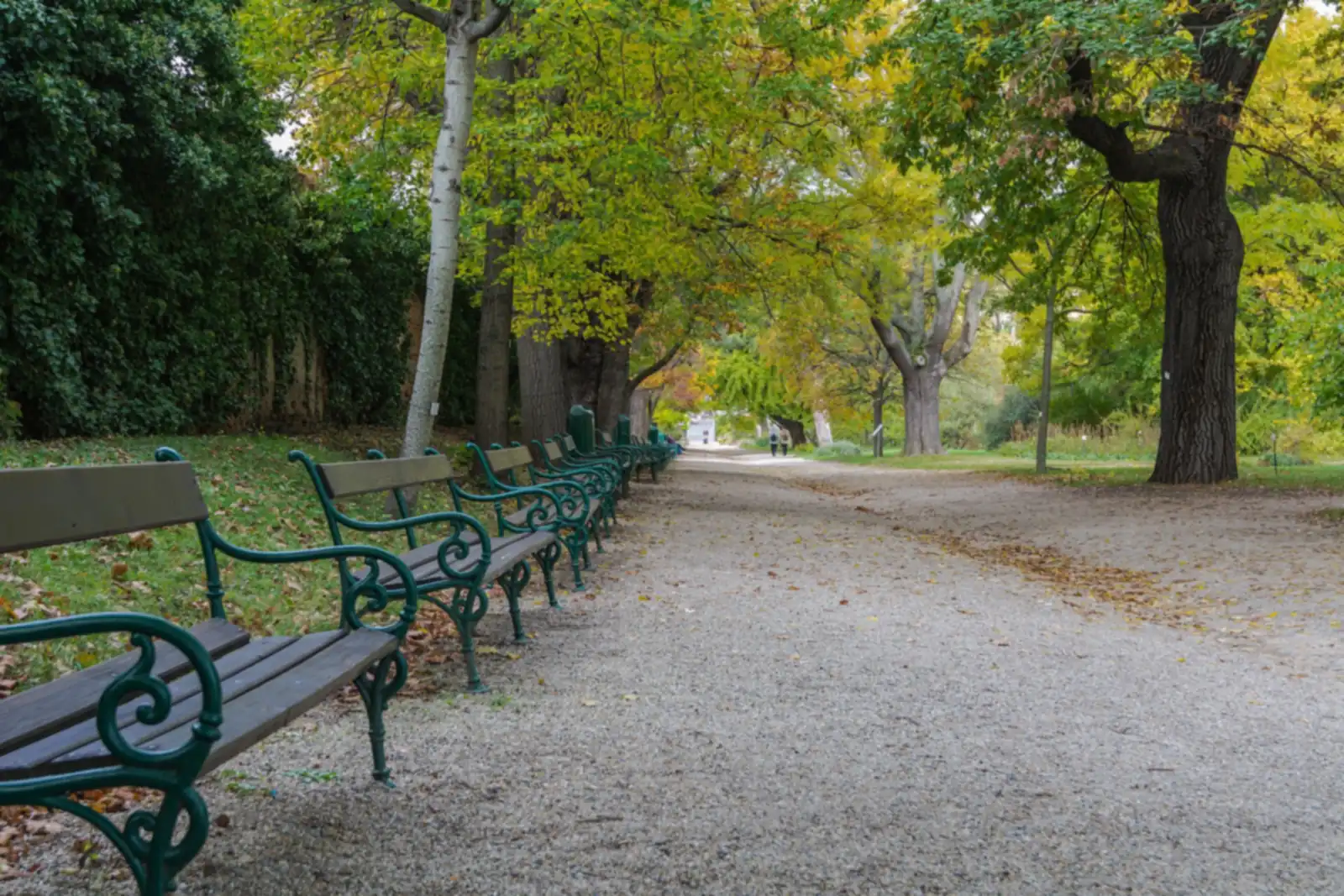
Vienna: flowers between ornament, salon and feeling
You do not need to know every flower’s name to enjoy these paintings. In Vienna, compare a painted bouquet with a garden scene or a floral ornament. A single cut stem directs your eye differently from a canvas filled edge to edge with plants. The question is not simply which flowers appear, but how their repeated shapes organise the picture.
Gustav Klimt’s Flowering Poppies, dated 1907 in the Belvedere collection record, offers a specific starting point. Look at how the red flowers interrupt the green field, then decide whether you notice depth or surface pattern first. That is a viewing exercise, not a claim that all Viennese art treats flowers the same way.
At the Kunsthistorisches Museum Wien, use the subject and setting to interpret a floral detail. A lily beside a religious figure needs a different reading from a tulip in a collector’s still life. Museum labels and catalogue entries are a better guide than a universal list equating each flower with a single emotion.
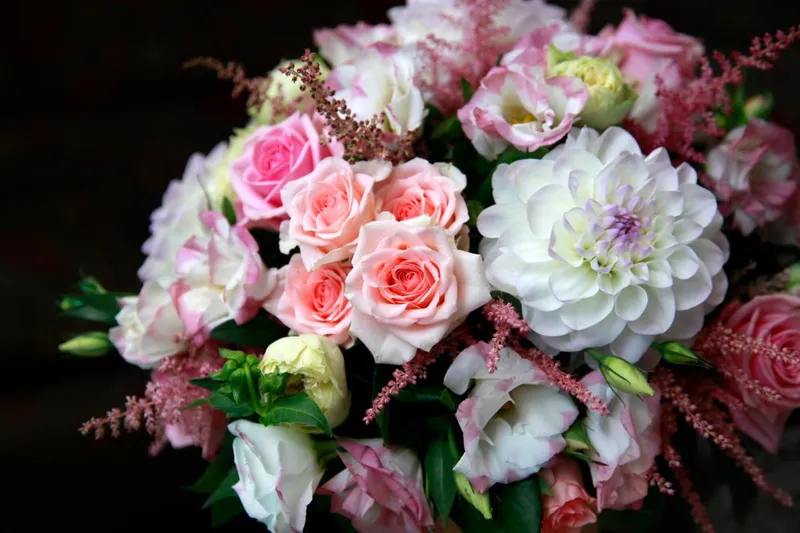
Amsterdam: still life as a stage for the world
The Rijksmuseum’s record for Rachel Ruysch’s Still Life with Flowers in a Glass Vase dates it broadly to about 1690–1720 and gives its size as 65 by 53.5 cm. Those modest dimensions reward close looking: begin with the large flowers, then search the darker spaces between them.
A bent leaf or an ageing petal may introduce the idea of passing time, while the variety of plants demonstrates the painter’s skill. Do not assume every Dutch bouquet was copied from one freshly assembled vase. Flower painting often brings together observation, studies and deliberate invention. A useful question is whether the painting makes that construction visible or conceals it.
The introductory article on flower still life gives broader context for the genre. In the gallery, stay with one practical comparison: which edges are sharply described, and which disappear? That contrast can make a painted petal seem nearer than the vase supporting it.
Paris: flowers in fashion, painting and modern life
In Paris, Monet’s water lilies show how the floral subject can expand beyond a vase or a garden view. The Musée de l’Orangerie’s account of the cycle describes eight large compositions arranged in two oval rooms and displayed there since 1927. The experience depends on the room as much as on an individual bloom.
Watch the transitions between water, reflections and patches of vegetation. You may find it difficult to settle on one fixed focal point, which is a useful contrast with the bright centre of a Dutch bouquet. If you are making comparisons within Vienna instead, the Vienna museum guide helps you choose collections by interest.
My practical tip: compare one detail at two distances. Look closely enough to see the paint marks, then step back until those marks become petals or reflections again. You do not need to identify every plant to notice what the painter has changed.
Florence: blossom, humanism and sacred order
Florence offers a different kind of comparison in Botticelli’s Primavera. The Uffizi’s account of the painting identifies nine figures from classical mythology in a flowering garden. This is a mythological scene, so treating every blossom as Christian symbolism would miss its setting.
Look between the figures’ feet, across the patterned clothing and around the edges of the grove. Plants help connect the figures to their surroundings. The careful observation of flowers can coexist with an invented, symbolic space; a plausible petal does not turn the whole scene into a record of an actual garden.
When comparing Florence and Vienna, use questions you can test: how much bare ground is visible, how much of the surface is covered by plants, and where does the eye come to rest? Those details are more precise than assigning a single mood to an entire city or period.
Warsaw and Central Europe: memory, rebuilding and floral culture
For Warsaw, add Józef Mehoffer’s Strange Garden to the comparison. The National Museum in Warsaw’s collection record identifies the work and its 1903 signature. It gives you a named Polish painting to investigate instead of reducing the city’s floral art to remembrance alone. Compare its garden setting with Klimt’s and Botticelli’s, while allowing each work its own context.
If an art trip also includes a gift for a host, you might discuss a simple colour brief with IFIORA. Describe the colours or loose shape you liked rather than asking for a literal copy of a painted bouquet. Confirm the delivery address and date directly with the florist.
Keep museum interpretation and gift etiquette separate. A flower’s role in a Renaissance painting does not tell you what your host will like. Their preferences, the occasion and the available space are better guides. Art can suggest a palette without prescribing the social meaning of a contemporary bouquet.
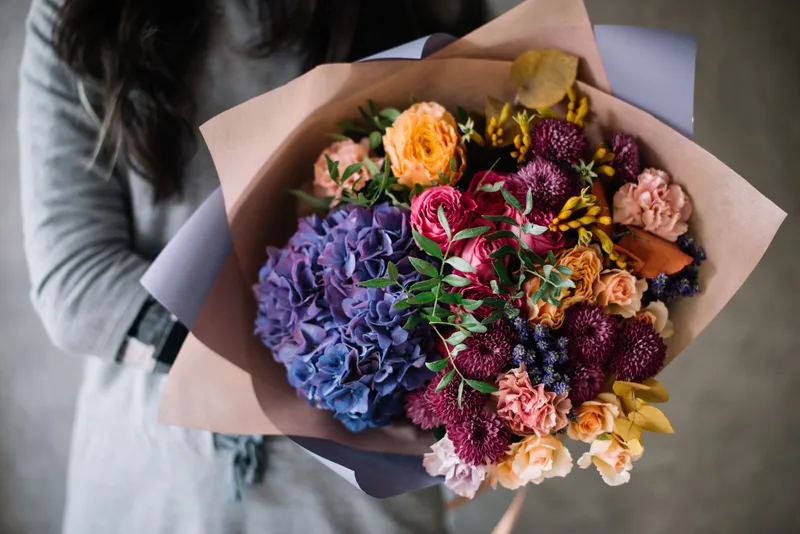
From the museum eye to the living bouquet
The comparison becomes useful when you can describe a decision: one painter isolates a bloom, another lets plants fill the surface, another builds a room around a pond. The article on flowers in Viennese art follows the move from still life to living installation in more detail.
Try a small arrangement at home as an exercise in looking. Use a few stems in a plain vessel, take a photograph against a light background, then move it against a dark one. The flowers have not changed, but their edges and colour relationships may read differently. This tests composition without pretending to recreate a museum work.
Why Vienna is the ideal starting point
Vienna makes a practical base for a focused floral theme because you can pair a museum visit with a garden or a walk looking at ornament. Choose one collection and one outdoor stop rather than trying to cover every major museum in a day. Check the current location of the work you want to see before booking.
Our guide to free art in Vienna can help you add a second setting. Leave time to compare notes: a painted flower, a decorative façade and a living plant can share an outline while doing very different jobs.
A five-city comparison to take into the gallery
| City | Starting point | What to compare |
|---|---|---|
| Vienna | Klimt’s Flowering Poppies | Pattern against depth. |
| Amsterdam | Ruysch’s glass-vase still life | Bright petals against dark gaps. |
| Paris | Monet’s Orangerie cycle | An individual flower against an enveloping room. |
| Florence | Botticelli’s Primavera | Observed plants inside a mythological scene. |
| Warsaw | Mehoffer’s Strange Garden | The garden as a setting for figures and atmosphere. |
These are starting points, not claims that a particular work will be on display on your travel date. A collection record establishes ownership and documentation; a current museum listing establishes what you can actually visit.
Good to know
Why are flower still lifes so important in art history?
Flower still lifes bring beauty and meaning together. They combine botanical precision, luxury trade goods, compositional skill and a reminder of transience. In the 17th-century Netherlands especially, they became a distinct and highly sophisticated genre.
How can you read flowers in museums more closely?
Start with context and condition. Which flower appears with which figure? Is it fresh or wilted, shown alone or as part of a lavish bouquet? Is it set in a religious, courtly or private space? Questions like these open up the symbolic layer of an image.
Does floral symbolism still matter today?
Yes. The code is less rigid than it was in earlier centuries, but colours, shapes and varieties still trigger associations: calm, celebration, passion, comfort or lightness. Good contemporary floristry uses that effect without tipping into cliché.
Do flowers always have the same meaning in European paintings?
No. Meanings depend on the subject, period, patron and surrounding details. A flower may carry a symbolic association, demonstrate close observation, organise colour or do several of these things at once. Check the museum’s interpretation of the specific work.
More notes
Journal – 5-minute read
The Most Important Museums in Vienna Compared: Which Suits Which Interest?
Kunsthistorisches Museum, Belvedere, Albertina, Leopold, mumok, MAK: each has a different focus. Which one fits which interest, and…
Journal – 5-minute read
Discovering Jugendstil in Vienna: A Walk from Otto Wagner to the Secession
From the Postsparkasse and the Wienzeilen houses to the Secession: a walk through Vienna’s key Jugendstil buildings, with tips on what to…
Journal – 5-minute read
Free Art in Vienna: Galleries, Open-Air Works and Museum Days
A surprising amount of art in Vienna costs nothing: galleries, public works and free museum days. Where to find it, and when it’s worth the trip.